Case Studies
-
![]()
Electric Vehicles
The challenge: A low-volume vehicle electrification programme with escalating costs and design decisions already made without sufficient cost visibility.
The approach: Should-cost models built across electrical, electronic, mechanical, and composite systems. This gave the programme its first credible cost baseline. Supported by teardown benchmarking, functional analysis, and structured design challenge, embedding cost discipline into both engineering and sourcing.
The result: Improved BOM control, better-informed sourcing decisions, and validated suppliers onboarded through a structured quotation and cost challenge process , which delivered approximately £15m in savings while significantly reducing cost risk.
-
![]()
Automotive
The challenge: High-volume vehicle development programmes under tight cost targets, where margin depended on disciplined cost control from the earliest design stages. The work was complicated by frequent late design changes and strong supplier positions.
The approach: Existing should-costing practices strengthened and systemised further. Full vehicle teardowns. Built feature-level cost libraries, enabling informed design trade-off decisions aligned to market expectations, in close collaboration with purchasing teams.
The result: Typically 5–10% savings across commodity areas, reduced late-stage cost risk, and delivery held within acceptable margins.
-
![]()
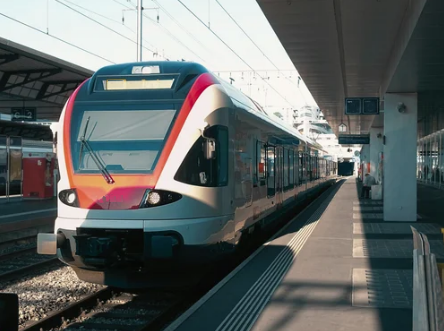
Rail
The challenge: A new rail vehicle platform entering a new market, with evolving requirements, limited historical cost data, low cost visibility, and established suppliers unaccustomed to detailed cost challenge.
The approach: Should-costing introduced as a practical decision-making tool across multiple commodities, creating cost transparency where none existed. Teardown and benchmarking of major systems highlighted opportunities to influence cost and prompted constructive challenge of inherited design features, supported by structured supplier engagement including detailed quotation templates and on-site cost discussions.
The result: Approximately £5m in savings, embedded more widely through training and knowledge transfer across engineering teams in multiple locations.